
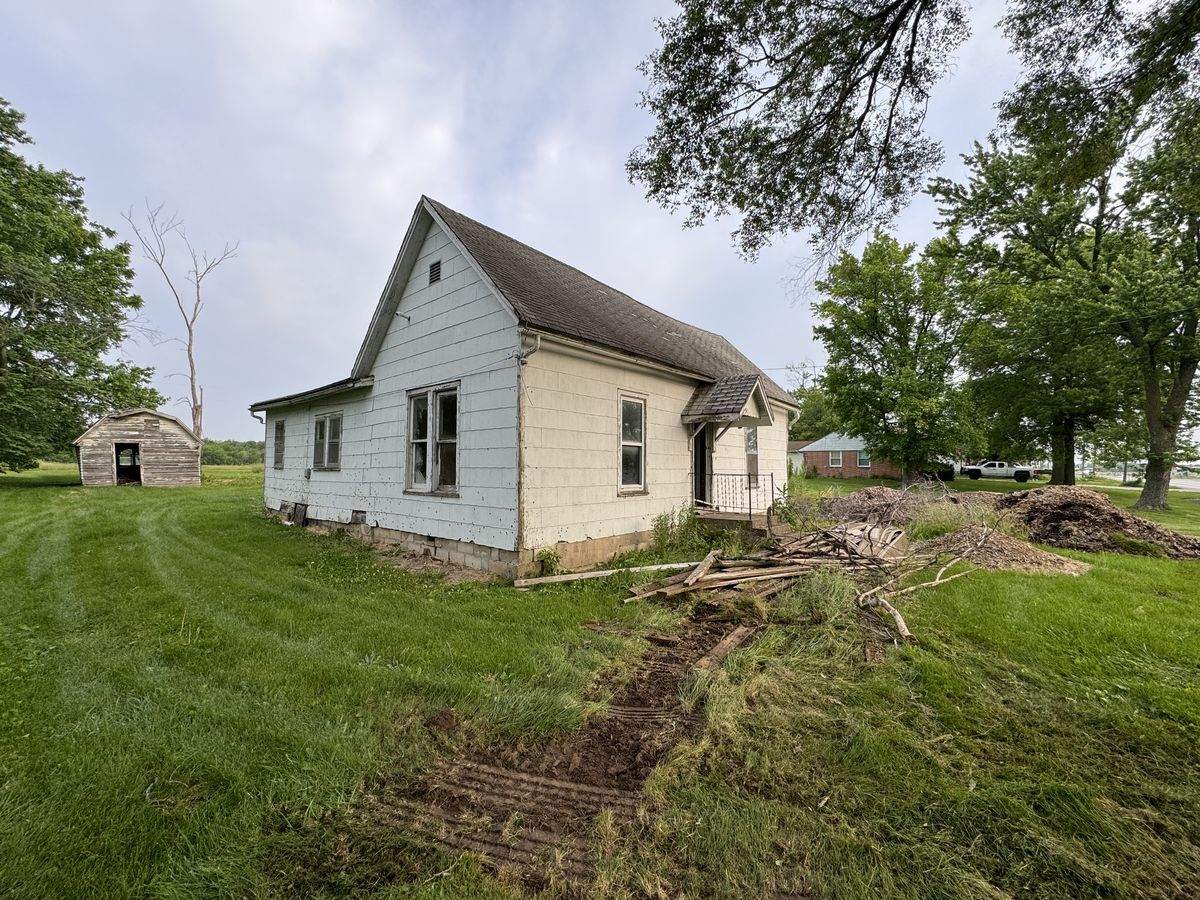
"Do I need a permit to tear this down?" is one of the first questions I hear from property owners around Jefferson City. Short answer: yes inside the city limits, and it's more than a one-page form. I'm Chris Kurtz, owner of ATLAS Demolition & Site Work. We're based in Columbia, MO, about 35 minutes up Highway 63, and we work in Cole County regularly. Here's how a demolition permit in Jefferson City, MO works, what changes once you're outside the city limits, and where these jobs get hung up.
Quick Answer: A demolition permit in Jefferson City, MO is issued by the city's Building Regulations Division and costs $109 as of late 2026. The application needs a storm water quality plan, a utility disconnect checklist that city inspectors verify, and Historic Preservation Commission review if the structure is 100 or more years old or historically designated. That review adds a $165 fee and a public hearing. Once the permit issues, work has to start within 30 days and finish within 90. Outside the city limits, Cole County Public Works is the office to call, and Missouri DNR asbestos rules apply everywhere.
In This Guide:
Who Issues a Demolition Permit in Jefferson City and Cole County
It depends on which side of the city limits the building sits on. A Jefferson City mailing address doesn't settle it. Plenty of addresses that say Jefferson City are in the unincorporated county, so check the parcel before you do anything else.
- Inside the city limits: a demolition permit in Jefferson City comes from the city's Building Regulations Division, part of the Department of Planning and Protective Services, at 320 E. McCarty Street. Phone (573) 634-6410.
- Unincorporated Cole County: Cole County Public Works, at 5055 Monticello Road. Phone (573) 636-3614.
- The small towns: Wardsville, Taos, St. Martins, Russellville and the rest each answer for themselves. Call that town's city hall first.
- Everywhere: the Missouri Department of Natural Resources, for the asbestos rules. That office happens to be in Jefferson City too.
We handle demolition in Columbia, MO and across Mid-Missouri, and the city permit is the piece that changes most from one town to the next. The rest of this post walks through Jefferson City first, then the county.
What the City of Jefferson Requires
The application for a demolition permit in Jefferson City is a nine-page packet, and it isn't considered complete until every piece that applies is attached. Here's what's in it.
| Item | When It Applies | What It Is |
|---|---|---|
| Application and permit fee | Every job | $109, signed by the owner or an authorized agent |
| Storm water quality plan and checklist | Every job | How debris, dust and mud stay out of the storm drains, and who maintains the silt fence |
| Utility disconnect checklist | Every job | Electric, gas, water and sewer, each verified by a city building inspector |
| Historic Preservation Commission application | 100 or more years old, or historically designated | $165, photos, written answers and a public hearing |
| Floodplain development permit | In the 100-year floodplain or floodway | Reviewed by the city's floodplain manager |
| MDNR land disturbance permit | 1 acre or more disturbed | A state permit, not a city one |
| Street cut permit | A utility has to be disconnected in the street | Separate application and fee |
The form also asks two things people don't expect. It wants to know the future use of the property, whether the lot will sit vacant or is being cleared for something else. And it asks for a licensed contractor and a licensed plumbing contractor by name.
The owner or an authorized agent has to sign. If a contractor is filing for you, every owner signs the city's agent authorization form. If the property changes hands before the permit issues, the city requires a new application, so don't file the week before a closing.
Applications go through the city's online permit portal or to the Building Regulations Division directly. The current packet is posted on the city's Building Regulations forms page. Fees are set in Appendix Y of the city code and get adjusted, so check the form before you budget.
Utility Disconnects: The Part That Sets Your Start Date
The utility disconnect checklist is a mandatory part of a demolition permit in Jefferson City, and it has to be turned in before any demolition work starts. For each utility it records the date the provider was notified, the date of the disconnect, and who verified it.
- Electric and gas. The city's form lists Ameren for both.
- Water. Missouri American Water in most of the city, or one of the public water supply districts around the edges.
- Sewer. The City of Jefferson Wastewater Division.
Two details on that checklist catch people. First, the utility's word isn't enough. City building inspectors have to verify each disconnect in addition to the provider. Second, the water and sewer disconnects have to be done by a licensed plumbing contractor, and if you're rebuilding, the sewer lateral and water service get taken back at least to the curb line.
If the water or sewer work is in the street, that's where the street cut permit comes in, and the form warns that the water provider may charge its own fee. Before anybody digs, Missouri 811 gets called for locates.
Our post on utility disconnect before demolition covers the sequence in detail. It's written around Columbia, so the phone numbers are different, but the order of operations is the same. On most jobs the utilities set the start date, not the permit office.
The 100-Year Rule: Historic Preservation Commission Review
This is the part of a demolition permit in Jefferson City that surprises owners most. In late 2025 the City Council adopted a new historic preservation chapter of the city code. Under Section 15A-12, the Historic Preservation Commission reviews a demolition application when the structure is any of these:
- A designated local landmark
- In a designated local historic district
- Listed on the National Register of Historic Places
- In a designated National Register district
- 100 or more years old
That last one covers a lot of ground. In 2026 it means anything built in 1926 or earlier, and Jefferson City has whole neighborhoods of brick and frame houses older than that. A plain house with no plaque on it still goes to the commission if it's old enough.
Here's what the review adds to a demolition permit in Jefferson City:
- A $165 application fee.
- Digital photos taken within the last 90 days. Every exterior side, every interior room, every stairwell. The city wants the whole structure shown, not only the parts in bad shape.
- Written answers about the building. When it was built, who's associated with it, whether a notable architect designed it, what condition it's in, and how many similar structures are left in the city.
- A public hearing. The city posts a sign on the property with the time, date and place at least 10 days before the hearing.
The commission approves or denies. If it denies, the owner can appeal in writing to the City Clerk within 30 days, and the City Council can uphold or reverse the decision.
There's one carve-out. Structures the city has declared dangerous under its dangerous building code aren't reviewed by the commission.
My advice: find the construction date before you plan anything. The form notes that the city changed its addressing system in 1969, so an old house may show up in the records under a different address. If the building's condition is the reason it's coming down, bring a structural assessment and cost estimates. And show up to the hearing. The commission may have questions, and an empty chair doesn't answer them.
Deadlines and the Final Inspection
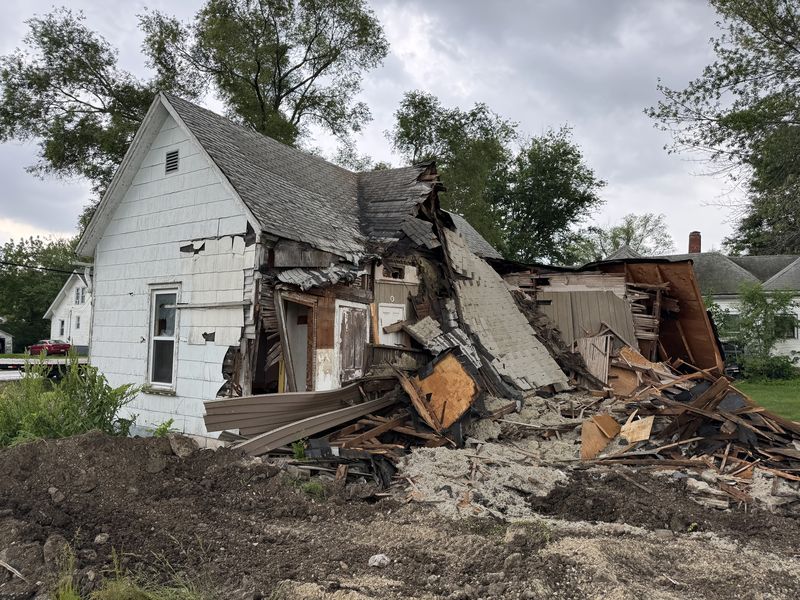
A demolition permit in Jefferson City comes with a clock. Under City Code Section 8-36, printed right on the application:
- The permit becomes invalid if work doesn't start within 30 days of issuance.
- It also becomes invalid if work is suspended or abandoned for 10 days after it starts.
- All work, including grading and putting the lot back, has to be finished within 90 days of starting, unless the Building Official gives a written extension.
So the permit is the last thing you pull, not the first. Get the disconnects verified, the asbestos question answered, and the crew scheduled. Then file.
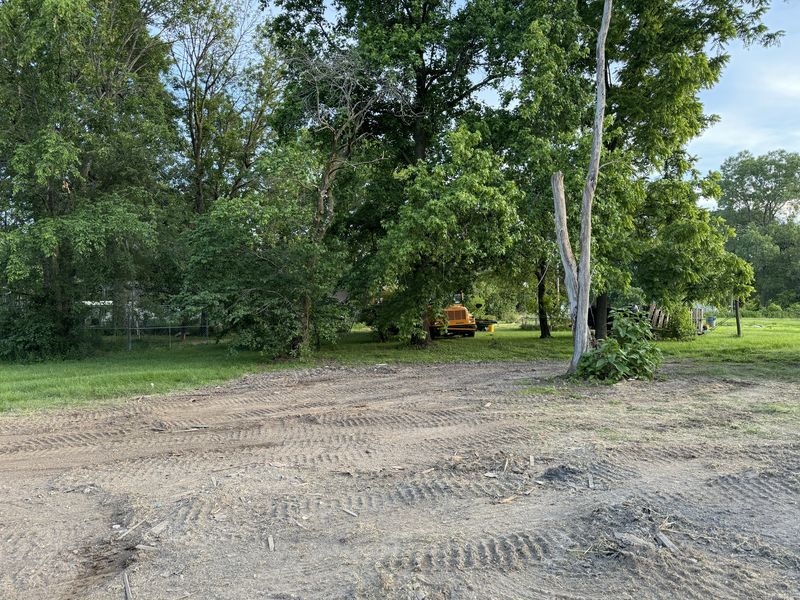
When the work is done, the owner or agent calls the city for a final inspection. The form spells out what the inspector is looking for on the vacant lot:
- Concrete foundations and structures removed to at least 12 inches below grade
- All debris gone
- The lot filled and maintained to the existing grade
- No ponding water, and nothing that damages the neighboring properties
- Erosion control in place where it's needed
- Smooth graded, level enough to mow, with seed and straw down
On a standard teardown we pull the whole foundation, not the top foot of it, and backfill and grade the lot as part of the same contract. That's the difference between passing the final and getting a call back three weeks later.
Where Jefferson City Demolition Permits Go Sideways
- Nobody checked the build year. The owner plans a two-week job on a 1920 house and finds out about the public hearing after the dumpster is ordered.
- The permit got pulled too early. The 30-day start clock runs out while the gas disconnect is still on the utility's schedule.
- The disconnects were done but not verified. The utility pulled the meter, and nobody called the city inspector to sign off.
- The property sold mid-application. New owner, new application.
- The lot wasn't finished. The building is gone, but there's no seed and straw down, and the final inspection doesn't pass.
Every one of those is a scheduling problem, not a demolition problem. The fix is working the list in the right order.
Asbestos, Lead and Debris: The State Rules the City Points To
The application for a demolition permit in Jefferson City puts the state requirements in writing, which not every city does.
Asbestos. Regulated structures have to be inspected for asbestos-containing material before demolition, and the Asbestos NESHAP Notification of Demolition and Renovation goes to Missouri DNR. The city asks for a copy once DNR has accepted it. The state's asbestos notification page has the current form and the 10-working-day timing. Our post on asbestos inspection before demolition in Missouri covers who needs one and what it costs. ATLAS doesn't remove asbestos. When a building needs it, a Missouri-registered abatement contractor does that work under our contract.
Lead paint. Lead abatement is regulated by the Missouri Department of Health and Senior Services, and the form points owners there.
Debris. Demolition waste goes to a licensed landfill under state law. The form also says the owner and contractor have to abide by the city's exclusive solid waste contract with Republic Services. We sort out the hauling arrangement with Building Regulations before the first load leaves.
Outside the City Limits: Cole County and the Small Towns
Past the city limits, the office is Cole County Public Works on Monticello Road. Permit applications are taken online or in person, and the staff will help you with the application at the counter.
Here's the honest state of the demolition question. As of November 2026, the county's building permit page lists what needs a permit: new homes, commercial buildings, manufactured homes, additions, remodeling, accessory structures and agricultural buildings. Demolition isn't on that list.
But the county has been working through a building code update, and the draft fee schedule I read includes a residential demolition permit at $50 and a commercial one at $100. I couldn't confirm whether that draft has been adopted. So I'm not going to tell you a teardown on a county parcel needs nothing. Call Public Works at (573) 636-3614 before you schedule. I make that call on every Cole County job.
A few other things to know outside the city:
- Contractor certification. Cole County requires all contractors doing business in the unincorporated county to hold a county contractor's certification, issued annually.
- The small towns. Wardsville, Taos, St. Martins and Russellville are their own jurisdictions. One call to city hall tells you whether the town wants anything.
- Holts Summit. It's across the river in Callaway County, so none of this applies there.
- The state rules don't stop at the city limits. The DNR asbestos requirements and the 811 locate call apply on a farm outside Russellville the same as they do on High Street.
- River bottom ground. Parcels along the Missouri, the Osage and the Moreau may sit in a mapped floodplain. Ask about that on the same phone call.
If you've been through the Columbia process, set it aside. A demolition permit in Jefferson City asks for different things than one in Columbia, and our guide to demolition permits in Columbia, MO covers that side. For the kind of work we do down here, see our Jefferson City service area page.
Taking a Building Down in Jefferson City or Cole County?
I'll walk the site with you, tell you which permits and reviews it needs, and put the price and the sequence in writing.
Request a Free Consultation Call (573) 234-6641Frequently Asked Questions
How much does a demolition permit cost in Jefferson City, MO?
The city's demolition permit fee is $109 as of late 2026. That number comes from the current application form and the city's fee schedule, which is Appendix Y of the city code. If the structure is 100 or more years old, a local landmark, in a local historic district, or on the National Register, the Historic Preservation Commission application adds $165. A street cut permit is a separate fee if a utility has to be disconnected in the street, and the water provider may charge its own fee on top of that. Fees get adjusted, so confirm with the Building Regulations Division at (573) 634-6410 before you budget. On our jobs the permit fee shows up on the proposal as its own line at what the city charges.
Do I need a demolition permit in Cole County outside Jefferson City?
Call Cole County Public Works at (573) 636-3614 before you schedule anything. As of November 2026, the county's building permit page lists new homes, commercial buildings, manufactured homes, additions, remodeling, accessory structures and agricultural buildings, and demolition isn't on that list. The county has also been working on a building code update, and the draft fee schedule I read includes a $50 residential demolition permit and a $100 commercial one. I couldn't confirm whether that draft has been adopted, so I'm not going to tell you there's no permit. I make that phone call on every Cole County job. Missouri DNR asbestos rules and the 811 locate requirement apply either way.
How long does it take to get a demolition permit in Jefferson City?
It depends on which pieces your building needs. A newer structure with no historic review is mostly waiting on utility disconnects, because the city's building inspectors have to verify electric, gas, water and sewer are off before any demolition starts. A structure that's 100 or more years old has to go to a Historic Preservation Commission public hearing, and the city posts a sign on the property at least 10 days before that hearing. I'd plan on a month or more for those. If regulated asbestos is involved, the Missouri DNR notification carries its own 10-working-day wait. Start the disconnects and the asbestos inspection first. They set the date more than the city does.
Can the city stop me from tearing down a 100-year-old house in Jefferson City?
It can say no, and you can appeal. Under Section 15A-12 of the city code, the Historic Preservation Commission reviews demolition applications for structures that are 100 or more years old, and it approves or denies after a public hearing. If the application is denied, the owner can appeal in writing to the City Clerk within 30 days of the commission's final decision, and the City Council can uphold or reverse it. Structures the city has declared dangerous under its dangerous building code aren't reviewed by the commission. If the building's condition is your reason for taking it down, bring a structural assessment and cost estimates to the hearing. The application form encourages exactly that.
Who pulls the demolition permit, the owner or the contractor?
Either one can, but the owner has to be on the paperwork. For a demolition permit in Jefferson City, the city requires the application to be signed by the property owner or an authorized agent, and it has an agent authorization form for that. Every owner of the property signs it, and if the property is in a trust, the people with ownership in the trust sign. One more detail worth knowing: if ownership changes before the permit issues, the city requires a new application. On our jobs you sign the agent form, and we handle the application, the storm water checklist, the utility disconnect checklist and the inspections. You shouldn't have to chase anybody.
Need a Demolition Permit Handled in Jefferson City, MO?
Now you know how a demolition permit in Jefferson City works. Inside the city it's a $109 permit, a storm water plan, verified utility disconnects, a historic review if the building is old enough, and a final inspection on a graded and seeded lot. Outside the city it starts with a phone call to Cole County Public Works. ATLAS Demolition & Site Work takes care of the paperwork, the disconnects and the inspections along with the teardown, so you're dealing with one contractor from the first walkthrough to the finished lot. We answer the phone, we show up when we say, and we leave the site clean.
- Phone: (573) 234-6641
- Email: chris@deployatlas.com
- Online: Request a Free Consultation or send us a message