
"Who shuts the power off before you knock it down?" comes up on just about every first call I take for a teardown around Columbia. Short answer: the utility companies do, one at a time, and nothing comes down until every one of them has confirmed it in writing. I'm Chris Kurtz, owner of ATLAS Demolition & Site Work in Columbia, MO. Here's how utility disconnect before demolition actually works here, who does what, how long it takes, and where it goes sideways.
Quick Answer: Utility disconnect before demolition in Columbia, MO means four things happen before a machine arrives: the electric meter is pulled and the service drop is removed, the gas meter is pulled and the service line is retired by the gas company, the water meter is pulled and the line is capped, and the sewer lateral is cut and capped at the property line and inspected by the city. The City of Columbia requires written disconnect certificates for gas, water, and electric plus a sewer tap inspection before it issues a demolition permit, along with a $2,000 refundable cash bond. Plan on 2 to 4 weeks, with natural gas usually the slowest. Rural properties add well plugging and septic abandonment. On our jobs, we coordinate all of it.
In This Guide:
Why Utility Disconnect Before Demolition Isn't Optional
Two reasons, and they matter in this order. First, safety. An excavator bucket going through a wall with a live 200-amp service on the other side, or a gas line that was "shut off at the valve" but never cut and capped, is how demolition crews and bystanders get hurt. Second, the permit. The City of Columbia will not issue a demolition permit for a whole building until the utility disconnect before demolition paperwork is in the file. No paperwork, no permit, no teardown.
The city's demolition permit application spells it out. Under the building code section it cites, you need disconnect certificates from the gas, water, and electric providers, and you need the results of a sewer tap inspection by the city's Sewer Maintenance Division. The same application takes the $2,000 refundable cash bond and the site plan. We covered the rest of that process in our post on demolition permits in Columbia, MO, so this post stays on the utilities.
One more thing before the details. A utility disconnect before demolition retires service to the building, not the lot. If you're planning to build on the same site, tell us and tell the utility on the first call. Retiring a service to the main is different from killing it at the meter so it can be reused, and once a crew has dug up and cut a service line, putting it back is a new tap at new-tap prices.
The Four Utilities That Have to Come Off (and the Ones People Forget)
Every utility disconnect before demolition in Columbia, MO has four items on the checklist. Most have one or two more. Here's who handles each around here and what "disconnected" actually means for that utility.
Electric
Inside the city limits, Columbia Water & Light is the electric provider, and the account side runs through the city's Utility Accounts department at 701 E. Broadway. Outside the city, most of Boone County is on Boone Electric Cooperative, and parts of Cole and Moniteau counties to the south are on Central Electric Cooperative. The owner of record closes the account, the utility sends a lineman to pull the meter and drop the service from the pole or the pad transformer, and the utility issues a letter or certificate saying the premise is de-energized. Flipping the main breaker does not count. The service drop has to be physically removed so there's nothing hot anywhere near the machine.
Natural Gas
Ameren Missouri handles natural gas for Columbia and most of Boone County. A few outlying towns are on Spire, and plenty of rural properties are on propane, which is a different conversation (the propane company pumps down and pulls the tank, and we cap the yard line). For Ameren, you request removal of the gas service, not just a shutoff. Their crew pulls the meter and retires the service line, and they'll issue the notification the city wants for the permit if you ask for it on the request. This is the piece of utility disconnect before demolition that sets the schedule on most jobs, because the gas company's construction crew runs on its own calendar.
Water
In town, water is Columbia Water & Light through the same Utility Accounts office as electric. Outside the city, you're on one of the Consolidated Public Water Supply Districts, and which district depends on the address. The owner closes the account, the meter gets pulled, and the service line gets capped at the meter pit or the curb stop so there is no live water under the demolition footprint. The water provider issues the certificate. If there's a private well instead, skip ahead to the rural section, because a well is on you, not the water company.
Sewer
Sewer is the one part of utility disconnect before demolition where a contractor does the physical work and the utility inspects it. We expose the building sewer at the property line or the cleanout, cut it, install a watertight cap, and call the city's Sewer Maintenance Division to look at it before it gets buried. Their inspection result goes to the permit office. Outside city limits, Boone County Regional Sewer District or the town's public works department does the inspection. On a septic property, there's no lateral to cap, but the tank has to be dealt with.
Phone, Cable, and Fiber
The city doesn't ask for a certificate on these, but they still have to come off the building. A low-voltage drop wrapped around an excavator track will pull a pole guy-wire or a neighbor's service down with it. The owner cancels the account and asks the provider to remove the drop. If they won't schedule it, we cut and coil it at the pole side on demolition morning and note it in the job file. Low voltage isn't a safety issue the way power and gas are, but it's a mess you don't want.
Well, Septic, and Propane
Rural teardowns around Hallsville, Harrisburg, Centralia, and Ashland usually have all three. The propane company pumps down and pulls the tank. The septic tank gets pumped by a licensed hauler, then crushed in place or removed and the hole backfilled. A well that won't be reused has to be plugged under Missouri's well construction rules, and the plugging has to be registered with the Missouri Department of Natural Resources within 60 days. If the well will serve the new house, it stays, and we fence it off and work around it. More on that below.
Step by Step: How Utility Disconnect Before Demolition Works in Columbia
Here's the order we run utility disconnect before demolition in on a typical house or mobile home teardown inside the city. The steps overlap. Nothing here waits for the step before it to finish unless I say so.
- Walk the site and list every service. Meter locations, the gas riser, the water meter pit, the cleanout, the overhead or underground electric, the cable box, any second structure with its own feed. A detached garage with its own panel is a separate disconnect.
- Owner closes the accounts and requests removal. The utilities only take this from the account holder or someone they've authorized in writing. We hand you the list and the exact wording to use ("removal for demolition," not "stop service"), or we get on the call with you.
- Order the asbestos inspection the same week. Missouri requires it before most demolitions, and the inspector needs the building intact and the lights on. Our post on asbestos inspection before demolition in Missouri covers that rule.
- Electric and gas crews come out. Electric is usually within a week of account closure. Gas can be two to four. Each utility sends its certificate or letter when the work is done.
- Water account stays live until abatement is done, then gets capped. The abatement crew needs water. Once they clear out, the meter gets pulled and the line capped, and the water certificate is issued.
- We cut and cap the sewer, the city inspects it. This is usually the last disconnect and the one we control, so we schedule it to land the week the gas certificate shows up.
- Certificates, inspection result, bond, and site plan go to Building & Site Development. The permit issues. Missouri 811 locates get called in for the dig. The machine shows up.
| Utility | Who Handles It Around Columbia | What "Disconnected" Means | Proof You Get |
|---|---|---|---|
| Electric | Columbia Water & Light in town, Boone Electric or Central Electric outside | Meter pulled, service drop removed from pole or transformer | De-energized letter or certificate |
| Natural gas | Ameren Missouri (Spire in some towns) | Meter pulled, service line retired at the main or curb | Service removal confirmation for the permit |
| Water | Columbia Water & Light in town, Consolidated PWSD outside | Meter pulled, line capped at the pit or curb stop | Disconnect certificate |
| Sewer | We cap it, City Sewer Maintenance or Boone County Regional Sewer District inspects | Lateral cut and capped watertight at the property line | Sewer tap inspection result |
| Phone, cable, fiber | Provider, or we remove the drop | Drop off the building | None required by the city |
| Well, septic, propane | Permitted well driller, licensed septic hauler, propane supplier | Well plugged and registered, tank pumped and crushed, propane tank pulled | DNR plugging registration, hauler receipt |
How Long Utility Disconnect Before Demolition Takes
Two to four weeks is the honest range for utility disconnect before demolition on a house or mobile home around Columbia, MO. Electric is quick. Water and sewer are quick once they're scheduled. Gas is the long pole on almost every job, and there's nothing a demolition contractor can do to speed up a utility's construction crew except get the request in on day one and follow up.
The piece people miss is that this window runs at the same time as everything else. The asbestos inspection, the Missouri DNR 10-working-day demolition notice, and the permit review are all happening in those same weeks. That's why the total from first call to a graded lot is usually 3 to 6 weeks, not 3 to 6 weeks plus a month for utilities. Our post on how long demolition takes in Columbia lays that calendar out week by week.
What slows utility disconnect before demolition down: an owner who "stopped service" instead of requesting removal, so the meter is still on the wall and the utility thinks the house is just vacant. A gas service shared with a neighboring structure. A water meter pit buried under a deck. A second building with its own feed that nobody listed. We catch most of these on the walkthrough, which is why we do the walkthrough before we quote.
What Utility Disconnects Cost
Utility disconnect before demolition costs less than people expect, with one exception. Closing an electric or water account and having the meter pulled is usually no charge. A standard residential gas meter pull is often no charge as well, though the gas company can bill for retiring a service line if they have to dig. The sewer cap is real work, a half day with a mini excavator, a plumber-grade cap, and an inspection, and runs $500 to $1,500 on its own. On our teardowns it's included in the demolition price, not added on. The exception is a rural property: a well plugging runs $800 to $2,500 depending on depth and casing, and a septic pump and crush runs $500 to $1,200. We list each as its own line so you can see it.
Then there's the City of Columbia's $2,000 refundable cash bond, which is not a utility cost but lands in the same week. You get it back when the site passes final inspection. Our complete guide to demolition in Columbia, MO puts all of these numbers next to the teardown cost itself.
Columbia vs. Boone County vs. the Rest of Mid-Missouri
Utility disconnect before demolition is the same work everywhere. Who checks it changes with the address.
Inside Columbia city limits: disconnect certificates for gas, water, and electric, a sewer tap inspection by the city, the $2,000 bond, and a site plan, all to Building & Site Development before the permit issues. If the building is in the Historic Preservation Commission's review, the Intent to Demolish posting adds about a month on top, and you use that month to get the utilities done.
Unincorporated Boone County: there is no county demolition permit, so nobody is collecting certificates. The utilities still have to be off, Missouri's asbestos rule still applies, and the Boone County Regional Sewer District still inspects a sewer cap if you're on one of its systems. We run the same checklist and keep the same paperwork in the job file whether anyone asks for it or not, because the safety reason didn't go anywhere.
Ashland, Hallsville, Centralia, Fulton, Jefferson City, Boonville: each town has its own permit form, and each one asks for some version of the same utility sign-offs. Jefferson City and Fulton have municipal utilities that do their own inspections. We've filled out most of these forms before and will fill out yours.
Rural with well and septic: the well is governed by the Missouri Department of Natural Resources. Their page on abandoned wells explains the plugging requirement, the permitted-contractor rule, and the 60-day registration. The septic tank falls under the county's onsite wastewater program through Columbia/Boone County Public Health and Human Services. Both are things we handle on demolition in Columbia, MO and the counties around it, and both show up as their own line on the proposal.
Mistakes We See on Utility Disconnect Before Demolition
- "Stop service" instead of "remove for demolition." The account closes, the bill stops, the meter stays on the wall, and the utility has no idea the building is coming down. Weeks lost.
- Gas off at the valve. A closed valve on a live service line is not a disconnect. The line has to be cut and capped by the gas company.
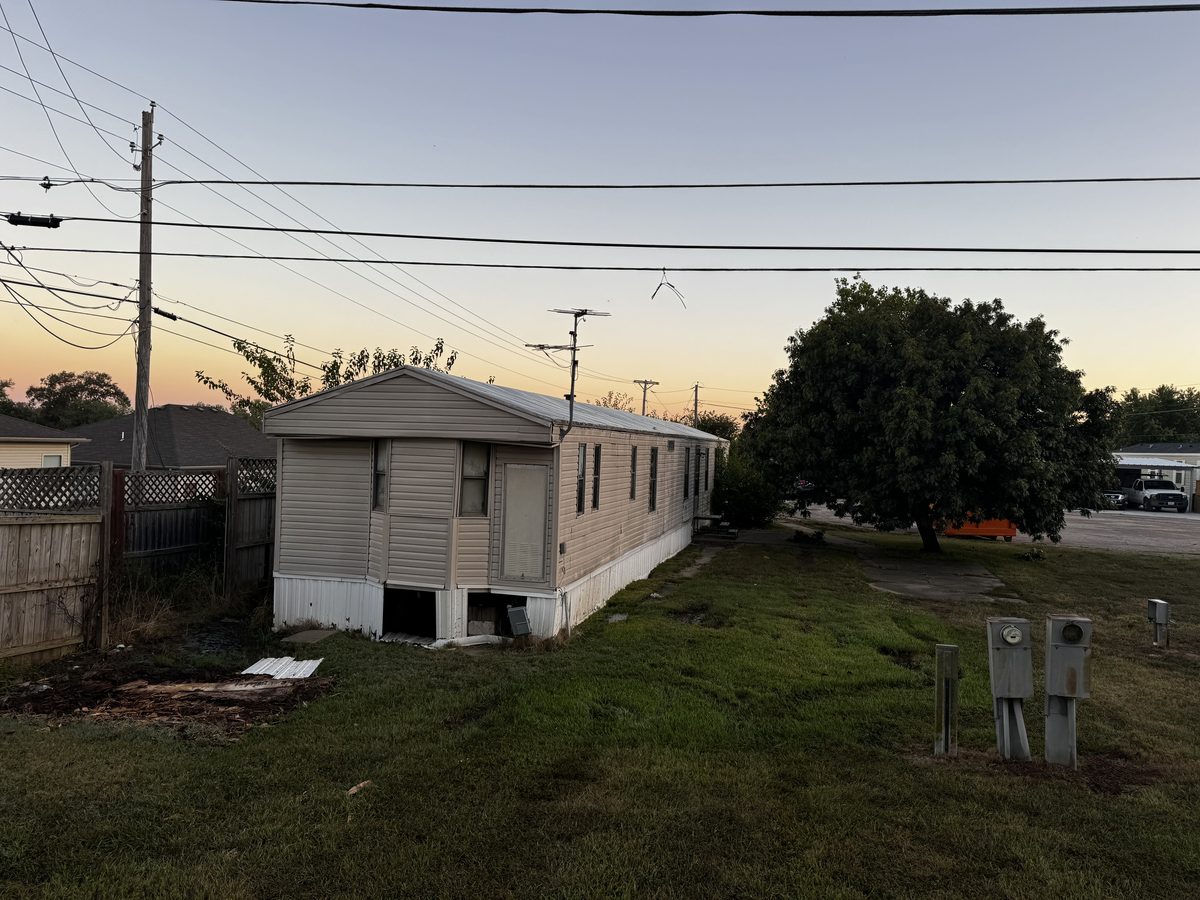
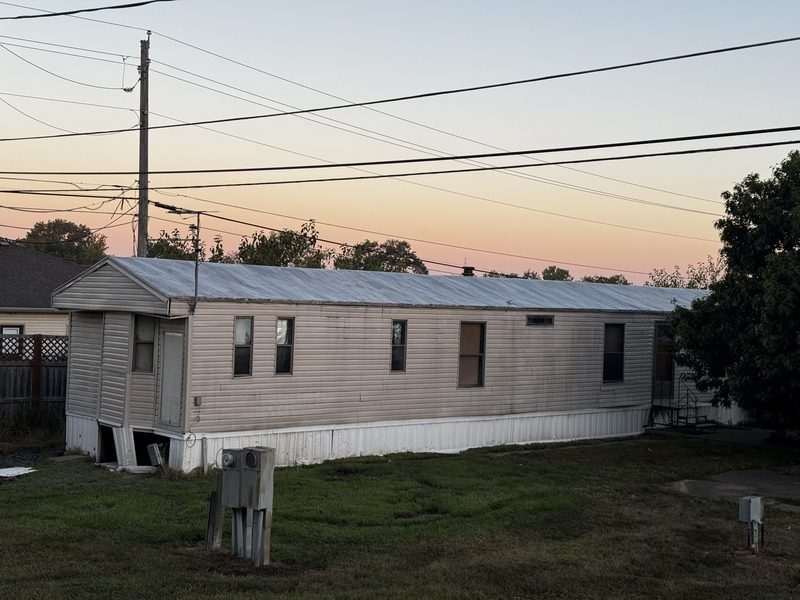
- Forgetting the second structure. The garage, the shop, the mother-in-law unit, the mobile home out back. Each one with its own meter is its own disconnect. We're the mobile home removal crew for a lot of Boone County, and the mobile home's pedestal meter is the one that gets missed most.
- Sewer left open. An uncapped lateral under a demolished house lets rain into the sewer system and lets rats out of it. The city inspects the cap for a reason.
- Pulling the water before abatement. The asbestos crew needs water. Sequence it last.
- Skipping locates. Dead service to your building doesn't mean dead lines across your lot. The neighbor's gas or the street's fiber may cross it. Missouri 811 gets called before we dig the sewer cap or the foundation.
What We Handle and What You Sign
The utilities will only take account instructions from the owner of record. So you make the calls, or you sit with us while we make them, and you sign whatever authorization the utility wants. The rest of the utility disconnect before demolition is ours: the service list from the walkthrough, the follow-up with each utility, the sewer cap and inspection, the well and septic subs, the asbestos inspector, the permit package, the bond, the locates, and the schedule that holds it together. You get a copy of every certificate before the machine arrives. If a contractor tells you they'll "work around" a utility that isn't confirmed off, hire someone else.
Frequently Asked Questions
Do I have to disconnect utilities before demolition in Columbia, MO?
Yes. Inside the city limits, the City of Columbia will not issue a demolition permit until you hand in disconnect certificates for gas, water, and electric, plus the results of a sewer tap inspection by the city's Sewer Maintenance Division. The city also holds a $2,000 refundable cash bond. Outside the city, in unincorporated Boone County, there is no county demolition permit, but every utility still has to be off before a machine touches the building. That is a safety rule, not paperwork. A live gas line or a hot service drop in a pile of debris is how people get killed. We treat utility disconnect before demolition as the first milestone on every teardown, in town or out.
How long does utility disconnect before demolition take?
Plan on 2 to 4 weeks from the first phone call to the last certificate in hand around Columbia, MO. Electric is usually the fastest, often inside a week once the account is closed. Water and sewer depend on scheduling the cap and the inspection. Natural gas is almost always the long pole, because the gas company has to send its own crew to pull the meter and retire the service line, and that crew runs on the utility's calendar, not yours. If the house has a well or septic, add time for the pump-out and the plugging contractor. The good news is that this runs alongside the asbestos inspection and the permit review, so the whole pre-demolition window is usually 3 to 6 weeks, not 2 to 4 weeks on top of that.
Who caps the sewer line before demolition?
A contractor does the physical work, and the sewer utility inspects it. In Columbia, we dig down to the building sewer at the property line or the cleanout, cut it, and install a watertight cap, then the city's Sewer Maintenance Division comes out to look at it before we backfill. That inspection result is one of the items on the city's demolition permit application. Outside the city, the Boone County Regional Sewer District or the town's own public works department handles the inspection. On our jobs the sewer cap is included in the demolition price and scheduled by us. An open sewer lateral under a demolished house is a rodent highway and a path for storm water into the sewer system, which is why the utilities care about it.
Can I leave the water on for dust control during demolition?
Not in Columbia, because the water disconnect certificate has to be turned in before the permit is issued, and the permit comes before the machine. So by the time we are knocking anything down, the meter is already pulled and the service is capped. We handle dust with a water tank on the truck, or a hydrant meter from the city when the job is big enough to justify it. What we do ask is that the water account stay active until the asbestos inspection and any abatement are finished, because the abatement crew needs water for wetting material and for decontamination. We sequence the water cap as the last disconnect for that reason.
What about a well and septic on a rural property?
They have to be dealt with too, and they are the two items owners forget most often. A water well that will not be used again has to be plugged under Missouri's well construction rules by the landowner or by a contractor holding a Missouri DNR well or pump installer permit, and the plugging has to be registered with DNR within 60 days of the work. A septic tank gets pumped by a licensed hauler, then the tank is crushed in place or pulled, and the hole is backfilled so nobody drives a mower into a collapsed tank five years from now. We fold both into the demolition scope on rural teardowns around Hallsville, Harrisburg, Centralia, and Ashland, and we list each one as its own line on the proposal.
Need the Utilities Handled Before a Teardown in Columbia, MO?
That's the part of the job nobody sees and the part that decides whether the machine shows up on the day we said. Utility disconnect before demolition is on our checklist from the first walkthrough, and you get every certificate in hand before anything comes down. ATLAS Demolition & Site Work handles house, garage, barn, and mobile home teardowns across Columbia, Boone County, and the rest of Mid-Missouri within about 45 minutes of town. We answer the phone, we show up when we say, and we leave the lot clean and capped.
- Phone: (573) 234-6641
- Email: chris@deployatlas.com
- Online: Request a Free Consultation