
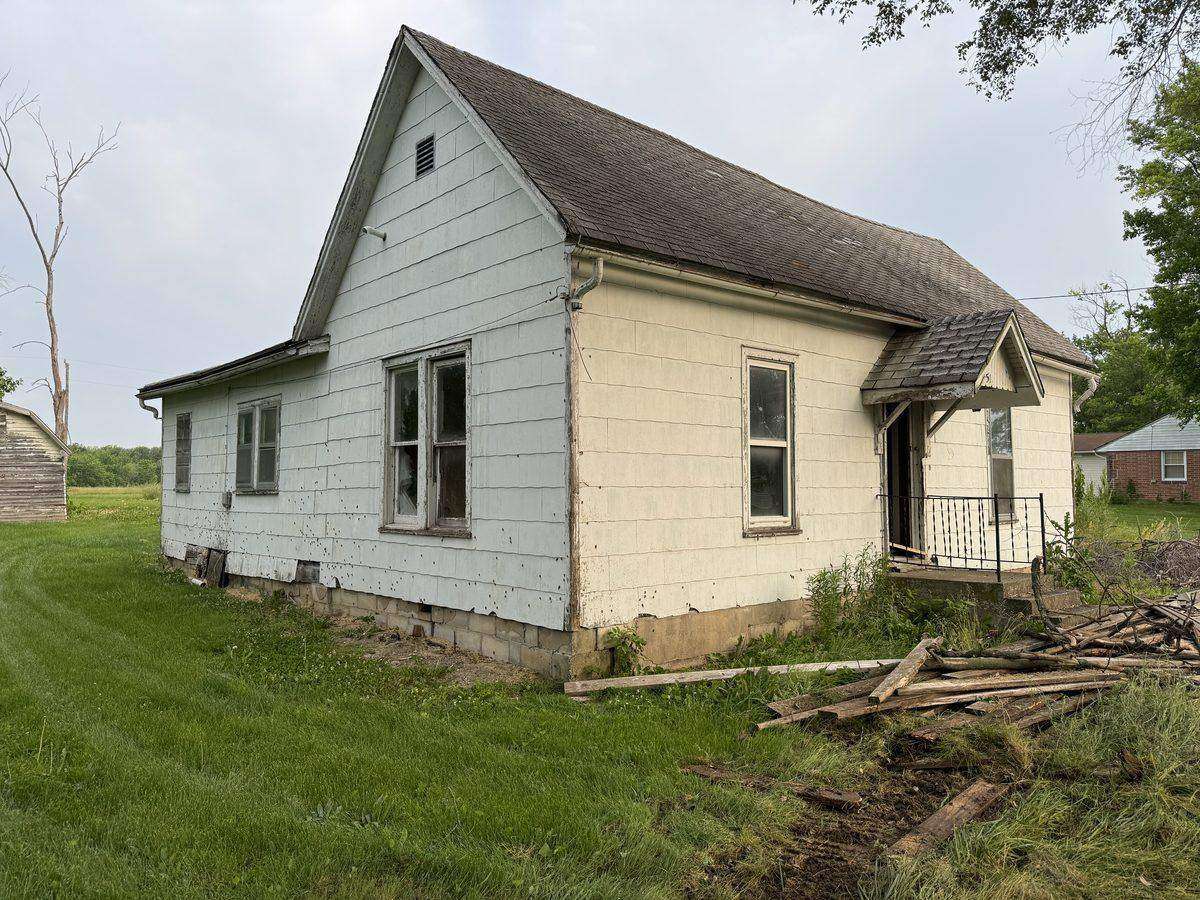
"Do I really need an asbestos inspection before demolition in Missouri?" is one of the first questions I get from property owners around Columbia, usually right after they've gotten a quote and started adding up the extras. Short answer: for most commercial buildings, yes, it's the law, and for most single-family houses it's not required but it's still the right call. I'm Chris Kurtz, owner of ATLAS Demolition & Site Work. We tear down houses, garages, mobile homes, and small commercial buildings across Mid-Missouri every week, and the asbestos step is the one that trips people up more than any other. Here's how it actually works.
Quick Answer: Missouri enforces the federal asbestos NESHAP rule through the Department of Natural Resources (DNR). Before any regulated structure comes down, a Missouri-certified asbestos inspector has to survey it, send samples to a lab, and write a report. The owner then files a demolition notice with DNR at least 10 working days before the teardown, with that report attached, even if the inspection found nothing. If regulated asbestos adds up to more than 160 square feet, 260 linear feet, or 35 cubic feet, a registered abatement contractor removes it first. Single houses with four or fewer units are generally exempt from the federal rule, but not when they come down as part of a bigger project. An asbestos inspection before demolition in Missouri typically costs $500 to $1,200 for a house and adds 3 to 4 weeks to the schedule.
In This Guide:
What Missouri Law Requires for an Asbestos Inspection Before Demolition
The rule behind every asbestos inspection before demolition in Missouri is a federal one. It's the Asbestos NESHAP, short for National Emission Standards for Hazardous Air Pollutants, found at 40 CFR Part 61, Subpart M. Missouri adopted it into state regulation as 10 CSR 10-6.241, and the Air Pollution Control Program at Missouri DNR is the agency that enforces it. That matters because the paperwork goes to Jefferson City, not to City Hall in Columbia.
The rule has three parts, and they happen in order:
- Inspect. Before demolition or renovation starts on a regulated structure, a Missouri-certified asbestos inspector has to thoroughly survey it for asbestos-containing material.
- Notify. The owner or operator files an Asbestos NESHAP Notification of Demolition and Renovation (DNR form MO 780-1923) at least 10 working days before the teardown. The inspection report gets attached. The notice is required even when the inspection comes back clean.
- Abate, if needed. If the inspection finds regulated asbestos-containing material above the thresholds, a Missouri-registered asbestos abatement contractor removes it before any structural demolition begins, and files a separate Asbestos Project Notification (form MO 780-1226), also 10 working days ahead.
Skipping any of those steps on a regulated building is a violation of both state and federal law. DNR can issue a notice of violation and a fine, and the EPA can get involved on bigger projects. The notice goes in the owner's name, so the penalty lands on the owner even if a contractor made the call. You can read the state's own summary on the Missouri DNR asbestos page.
Which Buildings Need an Asbestos Inspection Before Demolition in Missouri
This is where most of the confusion about an asbestos inspection before demolition lives. The NESHAP rule applies to a "facility," and the definition of facility covers more than you'd think, but it carves out most houses.
Always regulated:
- Commercial buildings of any size: a shop, an office, a restaurant, a strip-mall bay, a warehouse, a church.
- Public and institutional buildings: schools, government buildings, hospitals.
- Industrial and agricultural buildings used for business.
- Residential buildings with more than 4 dwelling units: apartment buildings and larger multi-family.
- Any structure, including a single house, that's being intentionally burned for fire department training.
Generally exempt from the federal rule: a single residential building with 4 or fewer dwelling units, torn down on its own. That's your typical house, duplex, or fourplex, and most garages, sheds, and mobile homes that go with it. DNR puts it plainly on its asbestos page: most single-family residences are exempt.
Where the house exemption disappears. The EPA has been clear for years that the exemption is about the house, not about the project. A house becomes a regulated facility when:
- Two or more residential structures come down on the same site as part of one project. Buying three lots on a block and clearing all three is a regulated project.
- The teardown is part of a commercial, industrial, or public development. A house that's coming down so a gas station, a church expansion, or a city road project can go in is regulated.
- A government agency or a developer is doing the demolition as part of urban renewal or a larger land deal.
Around Columbia, that second case comes up a lot. Older houses along Business Loop 70, Providence Road, and Paris Road get bought for commercial redevelopment every year, and every one of them needs the full inspection and notice. We talk about what those jobs look like on our demolition services page, and the rule applies the same whether it's a house or a block building.
Our recommendation on exempt houses: get the asbestos inspection before demolition anyway if the house was built before 1985. It's a few hundred dollars. It protects our crew, it protects the neighbors, and some landfills ask for it before they'll accept a load of mixed demolition debris. An old house with cement-asbestos siding that gets crushed by an excavator puts fibers in the air no matter what the paperwork says.
What an Asbestos Inspection Before Demolition Actually Covers
An asbestos inspection before demolition has to be done by a person certified by Missouri DNR as an asbestos inspector. Not a home inspector, not the demolition contractor, and not a handyman with a sample kit. DNR keeps a list of certified inspectors on its website, and most of the environmental consulting firms serving Columbia, Jefferson City, and Fulton have one on staff.
The inspector walks the whole building, inside and out, including crawlspaces and attics, and identifies every "suspect" material. Then they cut samples and send them to an accredited lab. The lab result is what makes a material either asbestos-containing or clean. Guessing by age or appearance doesn't count.
In the pre-1980 houses and buildings we take down around Mid-Missouri, these are the materials that come back positive most often:
- Floor tile and the black mastic under it. The 9-inch-by-9-inch tiles are the classic case, but 12-inch tile from the 1970s shows up too.
- Sheet vinyl flooring. The paper backing on old linoleum is often the positive layer, not the vinyl on top.
- Pipe insulation and boiler wrap. The white or gray chalky wrap on steam and hot-water lines in basements. This is the most hazardous material on the list.
- Cement siding and roofing. The gray shingle-style siding on thousands of Mid-Missouri farmhouses and small-town homes, often called transite.
- Joint compound and textured ceilings. Popcorn ceilings and the mud on drywall seams in houses from the 1950s through the 1970s.
- Vermiculite attic insulation. The gray-brown pebbly stuff poured between ceiling joists. Most of it came from one mine in Montana and most of it is contaminated.
- Furnace and ductwork tape, window glazing, and old roofing felt. Small quantities, but they add up on the report.
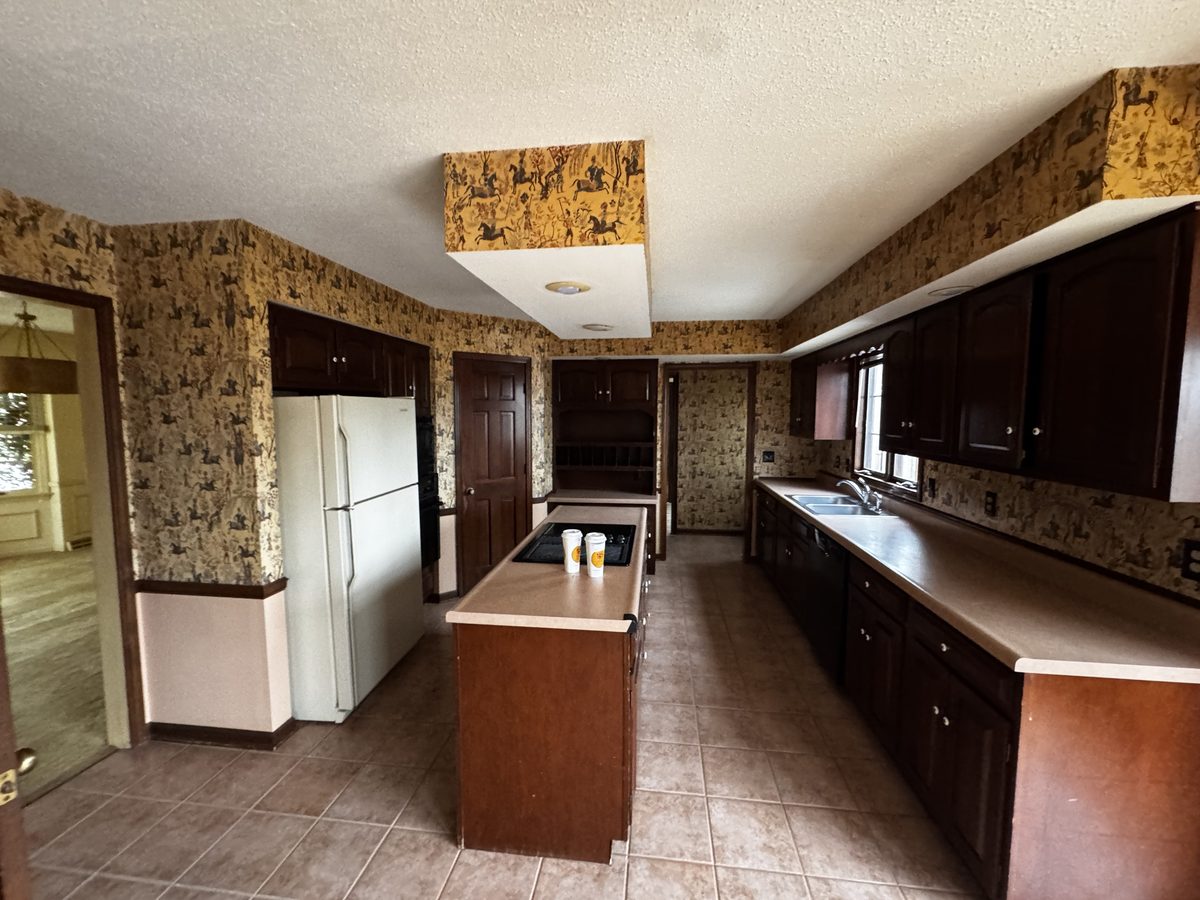
The finished report lists every suspect material, where it is, how much there is in square feet or linear feet, whether it's friable (crumbles by hand pressure) or nonfriable, and what condition it's in. It includes the lab results and the chain-of-custody forms for the samples. That report is what makes the asbestos inspection before demolition worth the money. It's the document DNR wants attached to the demolition notice, and it's the document the abatement contractor bids from. A good one is 15 to 40 pages. If an inspector hands you a one-page letter with no lab sheets, it's not going to satisfy DNR.
The 10-Working-Day DNR Notice
Once the asbestos inspection before demolition is done and the report is in hand, the demolition notice goes to the Air Pollution Control Program. It's a two-page form that lists the owner, the contractor, the address, the dates, what the inspection found, and where the debris is going. Notices go by email to AsbestosNotifications@dnr.mo.gov, and DNR's asbestos unit answers questions at (573) 751-4817. The DNR notification requirement page has the current form and instructions.
Three things about the notice that owners get wrong:
- It's 10 working days, not calendar days. Weekends and state holidays don't count. Filing on a Friday means the earliest start date is two weeks from the following Monday. We treat it as 3 calendar weeks to be safe.
- The clock starts when DNR receives it, not when you sign it. Email it and keep the sent receipt.
- It's required even on a clean report. A regulated structure with zero asbestos still gets a notice. The point of the notice is to tell DNR the inspection happened and the building is coming down.
If the start date slips, DNR wants a revised notice. If the job gets canceled, they want to know that too. On our jobs we file the notice with the first realistic start date and build the rest of the schedule, including the permit and utility disconnects, around it. Our post on demolition permits in Columbia, MO walks through how the DNR notice lines up with the city's own 30-day permit review.
Tearing Down an Older Building in Mid-Missouri?
We'll walk the property, tell you straight whether the asbestos rule applies, line up the inspector, and build the schedule around the DNR notice so demo day doesn't get pushed.
Request a Free Consultation Or Call (573) 234-6641What Happens When the Inspection Finds Asbestos
A positive result on the asbestos inspection before demolition doesn't stop the project. It adds a step and a contractor. What happens next depends on how much regulated material there is and what kind.
The thresholds. If the regulated asbestos-containing material in the building adds up to more than any one of these, abatement is required before demolition:
- 160 square feet of surfacing or wallboard-type material (siding, floor tile, ceiling texture)
- 260 linear feet of pipe insulation
- 35 cubic feet of material where area or length can't be measured
Those are small numbers. The siding on a 1,000 square foot house is well over 160 square feet by itself. So on an older house with transite siding or a basement full of wrapped pipe, you should assume abatement is coming.
Friable vs. nonfriable. The rule treats material differently based on whether it crumbles. Friable material (pipe wrap, sprayed insulation, damaged ceiling texture) always has to come out first. Nonfriable material is split into two categories. Category I, which is mostly floor tile, asphalt roofing, and packings, can stay in the building through demolition if it's in good shape and isn't going to be ground up or burned. Category II, which includes cement siding and transite board, has to be removed before mechanical demolition because an excavator bucket turns it to powder. In practice, on a teardown with a machine, nearly all of it gets pulled first.
Who does the removal. Only a Missouri-registered asbestos abatement contractor using state-certified workers can remove regulated material. ATLAS is a demolition contractor, not an abatement contractor. We don't strip asbestos, and you should be suspicious of any demolition crew that says it will. What we do is bring in an abatement company we've worked with, get their bid off the inspection report, coordinate their notice with ours, and schedule the structural teardown behind their clearance.
Where it goes. Asbestos waste has to be wetted, bagged or wrapped, labeled, and hauled to a landfill permitted to take it. Not every landfill in Mid-Missouri is, and the ones that are want a call ahead. The abatement contractor handles that disposal and provides the manifests. The rest of the building, once it's cleared, goes out as ordinary construction and demolition debris.
What an Asbestos Inspection Before Demolition Costs in Missouri
These are the numbers we see on Columbia-area jobs in 2026. Inspection and abatement are billed by the inspector and the abatement contractor, not by us, but we build them into the project schedule and tell you up front what to expect.
| Item | Typical Range in Mid-Missouri |
|---|---|
| Pre-demolition asbestos survey, single house or small outbuilding | $500 to $1,200 |
| Survey, small commercial building (shop, office, restaurant) | $1,200 to $3,000 |
| Lab fees (usually inside the survey price) | $15 to $40 per sample, 15 to 40 samples |
| Abatement, floor tile and mastic in a house | $1,500 to $4,000 |
| Abatement, cement siding on a house | $4,000 to $12,000 |
| Abatement, pipe insulation in a basement | $2,000 to $8,000 |
| Clearance and final report from abatement contractor | Usually included in the abatement bid |
The asbestos inspection before demolition is the cheap part. A clean house report is $500 to $1,200 and it's done. Where the money goes is abatement, and the biggest single driver is cement siding. A 1,500 square foot farmhouse with transite on every wall can run $8,000 to $12,000 to strip before the first wall comes down. That's not a reason to skip the inspection. It's a reason to get it early, so the number is in your budget before you've committed to the teardown.
Timeline. From scheduling the asbestos inspection before demolition to the day our machine can start, plan on 3 to 4 weeks if the report is clean, and 5 to 6 weeks if abatement is needed. That overlaps with the city permit and the utility disconnects, so it rarely adds much to the whole project on its own. Our post on how long demolition takes in Columbia lays the full calendar out week by week.
How the Asbestos Rule Plays Out in Columbia and Boone County
The asbestos inspection before demolition rule is the same everywhere in Missouri. What changes from town to town is how it meets the local permit, and around Columbia there are a few things worth knowing.
City of Columbia. The city's demolition permit application asks for utility disconnect certificates from the gas, water, electric, and sewer providers, a refundable $2,000 bond, and a historic preservation notice that triggers a 30-day review on buildings over 50 years old. It does not ask for the asbestos report, and the city doesn't check whether you've filed with DNR. That catches owners off guard. You can have a valid city permit in hand and still be breaking state law if the DNR notice wasn't filed. We run both tracks at once so the start dates line up.
Unincorporated Boone County. The county doesn't issue demolition permits for most structures outside city limits. People read that as "no rules." The DNR rule applies exactly the same way on a farm outside Hallsville or Harrisburg as it does on a lot in the city. A regulated building in the county still needs the asbestos inspection before demolition and the 10-working-day notice.
Older housing stock. The houses that come back positive most often are the pre-1960 homes in Columbia's older neighborhoods north and east of downtown, the small-town homes in Centralia, Fulton, and Boonville, and farmhouses across Boone, Callaway, Howard, and Cooper counties, where transite siding was the standard upgrade for 30 years. If the house is older than 1980 and has gray shingle-style siding, budget for abatement before you budget for anything else.
Fire department burns. A few rural fire districts around Mid-Missouri still accept donated houses for live-fire training. That's the one case where a single-family house is always regulated. The inspection, the DNR notice, and full abatement of every regulated material, plus removal of asphalt shingles and vinyl flooring, all have to happen before the fire department can light it. It's usually cheaper to just tear it down.
We handle the asbestos step on every teardown we do across Columbia, Jefferson City, Fulton, Ashland, Moberly, Fayette, and the rest of Mid-Missouri. For the full picture of what a teardown involves from first call to graded lot, read our complete guide to demolition in Columbia, MO.
Frequently Asked Questions
Do I need an asbestos inspection before demolishing a house in Missouri?
For a single house with four or fewer dwelling units, the federal asbestos NESHAP rule that Missouri enforces does not require the inspection or the DNR notice, as long as the house is coming down on its own and not as part of a bigger project. Missouri DNR says most single-family residences are exempt. The exemption goes away when two or more homes come down on the same site, when the teardown is part of a commercial or public development, or when the house is burned for fire training. Even when it's exempt, we recommend the inspection on any house built before 1985. It costs a few hundred dollars, it keeps the crew and the neighbors safe, and the landfill can ask about it when the debris shows up.
How much does an asbestos inspection before demolition cost in Missouri?
Around Columbia, MO, a pre-demolition asbestos survey on a single house or small commercial building usually runs $500 to $1,200. The inspector's time is part of it, and the rest is lab fees, since every suspect material gets its own samples. A 1,200 square foot house might need 15 to 25 samples. A larger commercial building with several flooring types, pipe runs, and roofing layers can push the survey to $1,500 to $3,000. That price buys the written report with lab results, which is the document DNR wants attached to the demolition notice. Abatement, if anything comes back positive above the thresholds, is a separate bill from a registered abatement contractor.
How long does the asbestos inspection and DNR notification add to a demolition?
Plan on 3 to 4 weeks from scheduling the inspector to the day the machine can start, if nothing comes back positive. Getting the inspector on site takes a few days to a week. Lab results take another 3 to 5 working days on standard turnaround, faster if you pay for a rush. Once the report is in hand, the DNR demolition notice has to be filed at least 10 working days before the teardown, and that clock does not start until DNR has it. If the inspection finds regulated material above the thresholds, add 1 to 2 weeks for the abatement contractor to file their own 10-working-day notice, do the removal, and clear the building.
What happens if asbestos is found before demolition?
It depends on how much there is and what kind. If the regulated material adds up to more than 160 square feet, 260 linear feet, or 35 cubic feet, a Missouri registered asbestos abatement contractor has to remove it before any structural demolition starts, and they file a separate project notice with DNR. Below those amounts, the material still has to be handled so it doesn't get crushed or go airborne, and it goes to a landfill permitted to accept it. Some materials, like intact vinyl floor tile and asphalt roofing, can sometimes come down with the building if they stay in one piece. Cement siding and pipe insulation almost never qualify for that, so they get pulled first. We coordinate the abatement contractor and reschedule the teardown behind them.
Can a demolition contractor remove asbestos siding?
Not in Missouri, unless that contractor is also registered with DNR as an asbestos abatement contractor and uses state-certified workers. ATLAS is a demolition contractor, not an abatement contractor, so we don't strip asbestos siding, pipe wrap, or floor tile ourselves. What we do is line up the inspection, read the report, bring in a registered abatement company when the job needs one, and schedule the teardown behind their clearance. If a demolition crew offers to knock down a house with cement-asbestos siding still on it and haul it to the dump, that's a violation that can land on the property owner, because the DNR notice goes in the owner's name.
Need a Teardown Done Right in Columbia, MO or Anywhere in Mid-Missouri?
You know the rule now. A regulated building gets an asbestos inspection before demolition by a certified inspector, DNR gets 10 working days' notice with the report attached, and anything over the thresholds comes out before the machine shows up. ATLAS Demolition & Site Work handles that sequence on every job, for homeowners, investors, and general contractors across Columbia, Jefferson City, Fulton, Ashland, and the rest of Mid-Missouri. We line up the inspector, read the report with you, bring in abatement when it's needed, and put a fixed price in writing for the demolition and site work. We answer the phone, show up when we say, and leave the site clean.
- Phone: (573) 234-6641
- Email: chris@deployatlas.com
- Online: Request a Free Consultation